
Common Skincare Mistakes Under Makeup: 2026 Fix Guide


Common skincare mistakes under makeup are the leading cause of pilling, fading, and patchy foundation. Over 65% of makeup users admit to skincare prep errors that directly hurt their makeup’s appearance. The culprits are usually improper product layering, incompatible ingredients, and skipping key steps like exfoliation or moisturizing. Dermatologists and beauty professionals consistently flag these skincare errors before makeup as preventable. Get the prep right, and your makeup stays put, looks smooth, and lasts all day.
1. What are the most common skincare mistakes under makeup?
Skincare errors before makeup fall into a few clear categories. Knowing them is the first step to fixing your routine.
- Layering too many products. Product overload overwhelms your skin’s absorption capacity. The excess sits on the surface and gives makeup nothing stable to grip.
- Mixing silicone and water-based products. Incompatible bases cause pilling and separation. Silicone and water simply do not bond, so your foundation clumps and rolls.
- Not waiting between layers. Rushing through your routine is one of the biggest makeup application flaws. Products need time to absorb before the next one goes on.
- Rubbing instead of pressing. Friction from rubbing disrupts product layers and causes balling. Pressing is always the better technique.
- Skipping exfoliation. Dead skin cell buildup creates an uneven surface. Foundation then catches in every rough patch and looks cakey.
- Skipping moisturizer. Dry patches trap makeup unevenly. You end up with a flaky, textured finish that no setting powder can save.
- Wrong sunscreen application. Mineral and chemical sunscreens behave differently under makeup. Applying either one incorrectly creates a tacky, unstable base.
Pro Tip: If your foundation pills within 30 minutes of application, the most likely cause is a silicone-water ingredient conflict somewhere in your skincare routine.
2. How to correct skincare layering mistakes for better makeup
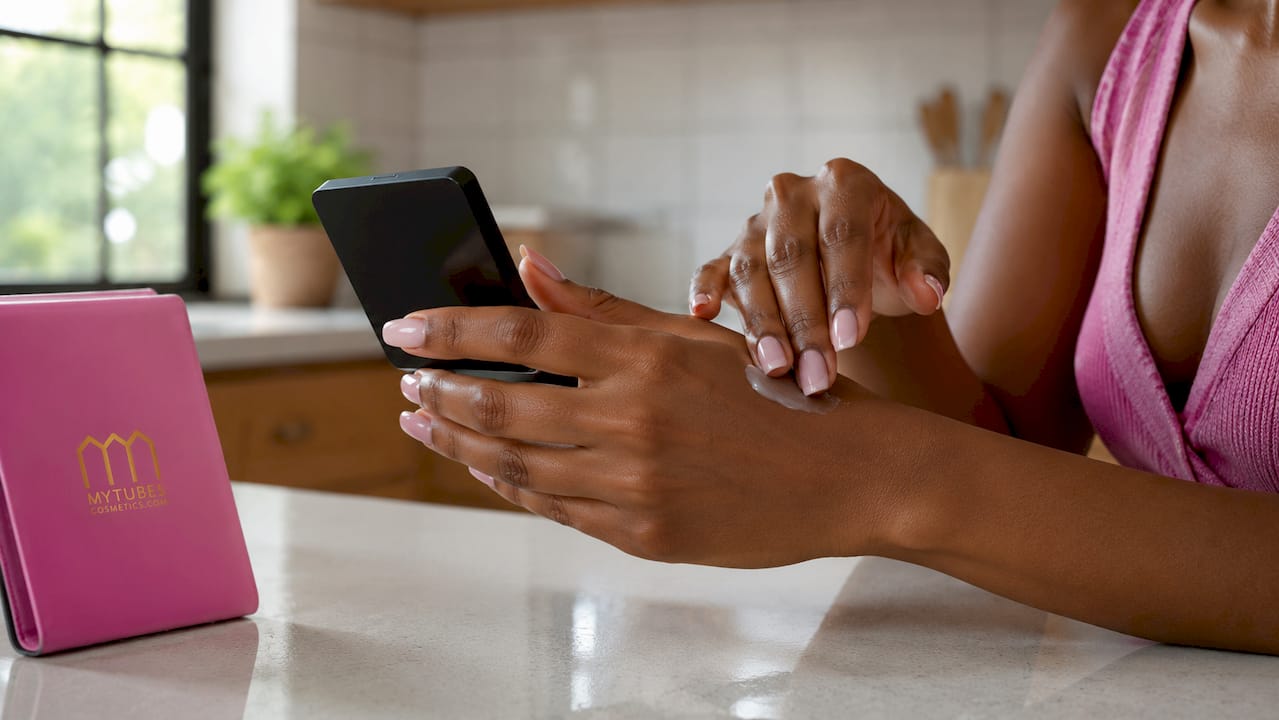
The fix for most layering problems is patience and technique. Neither costs anything.
The 60-to-90-second wait between skincare layers is the single most effective change you can make. That window lets each product fully absorb before the next one lands on top. Skipping it is the number one reason makeup pills within the first hour.
Pressing products into your skin instead of rubbing them in is equally important. Pressing reduces friction and prevents product balling. Use your fingertips or a clean beauty sponge and pat gently until each layer disappears.
Match your product bases. Silicone-based primers clash with water-based foundations, causing separation and an unstable finish. Use water-based serums under water-based foundations, and silicone primers under silicone-compatible formulas.
Simplify your routine before applying makeup. Fewer serums mean less residue on the skin’s surface. A single lightweight moisturizer works better than three hydrating layers stacked on top of each other.
For sunscreen, pat mineral formulas gently and let them dry completely before foundation. Choose sunscreens labeled “dry finish” or “matte” for the smoothest base.
Pro Tip: A primer only works as a bridging layer if the products underneath it are already compatible. Primer cannot fix a silicone-over-water conflict. Fix the base first.
3. Signs that your skincare routine is hurting your makeup
Your skin and makeup tell you when something is wrong. You just need to know what to look for.
Pilling or balling of foundation is the clearest sign of a layering conflict. Touching your face after application makes this worse by lifting and rolling partially set layers. If you see tiny balls of product forming, an ingredient clash or insufficient wait time is the cause.
Patchy or cakey foundation points to dry skin or surface texture issues. Dry, patchy skin under makeup often signals a compromised skin barrier, not just dehydration. Piling on more foundation does not fix it. Repairing the barrier overnight with a dedicated cream does.
Foundation fading by midday in high-movement areas like around the nose or mouth usually means oily residue or heavy occlusive layers underneath. Heavy occlusive moisturizers under matte foundations cause makeup to slide and separate. The foundation literally has nothing to hold onto.
A tacky, shiny base before you even apply foundation means your sunscreen has not dried down. This is one of the most overlooked common makeup application issues. Give it a full two minutes before reaching for your foundation brush.
Demarcation lines or an unnatural finish often trace back to shade mismatch, which 62% of makeup users already struggle with. Poor skin prep makes shade matching even harder because the skin’s texture and tone look different on a dry or oily base.
4. Which product combinations work best for prepping skin for foundation?
Choosing compatible products is the smartest way to prevent skincare errors before makeup. The base type of each product determines whether it will work with or against your foundation.
| Skincare base type | Best matching foundation type | Why it works |
|---|---|---|
| Water-based serum | Water-based or hybrid foundation | Same base bonds without separation |
| Silicone-based primer | Silicone-compatible foundation | Matching bases create a smooth, unified layer |
| Lightweight gel moisturizer | Matte or satin foundation | Low oil content prevents slippage |
| Heavy cream moisturizer | Avoid under matte formulas | Occlusive layer causes makeup to slide |
| Dry-finish mineral sunscreen | Any foundation type | Dries down flat, creates a neutral base |
Water-based serums pair cleanly with water-based foundations. There is no conflict, no separation, and no pilling. This combination is the most forgiving for everyday wear.
Silicone primers work well under silicone-compatible formulas. The key is checking ingredient labels. If your primer lists dimethicone near the top and your foundation is water-based, you will see separation by midday.
Lightweight, non-occlusive moisturizers are the best skincare for makeup wearers who use matte foundations. They hydrate without leaving a greasy film. A gel-cream formula is usually the right call.
For sunscreen, look for formulas described as “dry touch” or “semi-matte.” These dry down to a neutral finish that foundation can grip. Avoid thick, white-cast mineral sunscreens unless you have time to let them fully set.
Pro Tip: When prepping skin for foundation, test your full skincare routine on the back of your hand first. If the layers ball up or feel tacky after two minutes, they will do the same on your face.
5. How nighttime exfoliation improves next-day makeup
Exfoliation timing matters more than most people realize. Physical exfoliation in the morning creates micro-inflammation that worsens makeup texture. Your skin is slightly irritated and reactive, which makes foundation look uneven and patchy.
Chemical exfoliation at night yields better smoothness for next-day makeup. Ingredients like glycolic acid or lactic acid dissolve dead skin cells while you sleep. By morning, your skin is fresh, smooth, and ready for foundation.
Nighttime is also the right window for barrier-repair creams. If your skin is consistently dry and patchy under makeup, a ceramide-rich overnight cream addresses the root cause. Healthy skin barriers hold moisture better and give foundation a more even surface to sit on.
Skip the morning scrub entirely on days you plan to wear makeup. A gentle cleanser and your usual moisturizer are all you need. Save the exfoliation for the night before.
Key Takeaways
Correcting skincare layering habits and matching product bases are the two most effective ways to prevent makeup pilling, fading, and patchiness.
| Point | Details |
|---|---|
| Wait between layers | Allow 60–90 seconds between each skincare step to prevent pilling. |
| Match product bases | Use water-based products under water-based foundations to avoid separation. |
| Press, do not rub | Pressing products into skin reduces friction and stops product balling. |
| Exfoliate at night | Chemical exfoliation the night before gives you a smoother base for foundation. |
| Simplify your routine | Fewer skincare layers mean less residue and a more stable surface for makeup. |
What I have learned from watching skincare sabotage makeup
I have watched so many people layer product after product thinking more prep equals better makeup. The opposite is almost always true. The routines that cause the most makeup issues are the ones with six or seven steps crammed in before foundation.
The ingredient conflict between silicone and water-based products is the one I see trip people up the most. It is invisible until the foundation starts balling 20 minutes in. Once you understand why it happens, you cannot unsee it.
Skin barrier health is the foundation of good makeup, and I mean that literally. When the barrier is compromised, no amount of primer or setting spray fixes the patchiness. The repair has to happen overnight, not in the 10 minutes before you apply your face.
My honest advice: strip your routine back to three steps before makeup. Cleanser, lightweight moisturizer, sunscreen. Let each one absorb fully. Then apply your foundation. The results will surprise you.
— Sandy T
My Tubes Cosmetics and the flawless finish you deserve
Skincare prep sets the stage, but the right makeup seals the deal.

My Tubes Cosmetics creates cruelty-free makeup specifically formulated for melanin-rich skin, where shade accuracy and skin compatibility are non-negotiable. The Lite As Air Liquid Foundation is designed to sit smoothly over properly prepped skin without caking or separating. Lock everything in with the My TFace – Pro-Filter Loose Setting Powder, which helps prevent fading and keeps your finish intact all day. Browse the best seller collection to find the products that work with your skin, not against it.
FAQ
What causes foundation to pill right after application?
Foundation pills when skincare layers have not fully absorbed or when silicone and water-based products are mixed. Waiting 60–90 seconds between each skincare step and matching product bases eliminates most pilling.
Why does my foundation look patchy even with moisturizer?
Patchy foundation usually signals a compromised skin barrier, not just dryness. Using a barrier-repair cream overnight and switching to a lightweight, non-occlusive moisturizer before makeup gives you a smoother surface.
How do I know if my sunscreen is compatible with my foundation?
Choose a sunscreen labeled “dry touch” or “semi-matte” and let it set for at least two minutes before applying foundation. If your base still feels tacky, the sunscreen has not dried down and will cause your makeup to slip.
Does the order of skincare products really affect makeup?
Yes. Applying products in the wrong order or skipping absorption time creates an unstable surface. Pressing each layer in and waiting between steps gives your foundation a clean, even base to grip.
Can too much skincare make makeup disappear faster?
Overloading your routine with hydrating products causes excess residue on the skin’s surface. That residue makes makeup slide off high-movement areas by midday, which is one of the most common makeup application issues people overlook.


